It is 4 PM in mid-July. The local news just announced that Phoenix hit 115…
Apartment Inspections Made Simple: Protecting Your Investment and Safety
You’ve got a commercial property. You would want it safe, in good shape, and profitable. But you fear things too, the headaches that accompany it, shocks, surprises, and disputes with tenants. That’s where apartment inspections come in. Do them right, and you evade problems. Underperform (or avoid them), and you are going to pay in the future.
In this blog, we will provide a practical roadmap that covers the reasons inspections are so necessary, what you should be checking, how to conduct inspections step-by-step, and how to safeguard yourself and your tenants throughout the process.
Why You Can’t Ignore Apartment Inspections
You may believe that regular inspections are a bother and a formality. But they’re far more than that. A few real risks:
- Dangers Escalate Fast: Even a minor water leak beneath a sink may cause mold or rot. At the same time, faulty wiring causes fire risk. One of the saddest cases: the Alpine Motel Apartments fire that took place in Las Vegas in 2019 resulted in the deaths of six individuals. It was found out that there were previous code violations and a lack of safety supervision.
- Your ROI is At Stake: Delayed repairs will cost you a lot. The foundation or structural problem does not become cheaper with time.
- Tenant Trust & Compliance: Taking the time to inspect and showing care and respect to tenants will make them more comfortable while renewing. They will also be inclined to report problems sooner.
- Legal & Code Compliance: Landlords have to uphold specific standards in many jurisdictions. In case of a failed government or HUD inspection of your apartments, you can be either forced to fix them or be fined.
Most tenants (62%) have indicated that they would consider dropping a property whenever they have concerns about the unit’s condition or maintenance. Inspections will help protect both parties.
So, inspection isn’t a futile exercise; it is necessary risk control.
Types of Inspections and Their Frequency
Not all inspections are the same. Knowing which type and when to schedule them keeps everything clean and efficient.
| Type | Purpose | Frequency / Timing |
| Move-in inspection | Document condition at the start of tenancy | The day tenants move in |
| Routine inspection | Spot maintenance or lease‑violation issues | Quarterly, semiannual, or annual (varies by landlord) |
| Move-out inspection | Compare the final state with the move-in to determine the deposit | Within days after the tenant vacates |
| Special / Safety inspection | In response to complaints, emergencies, or legal requirements | As needed |
Inspections generally take 30 minutes to 1 hour for a typical unit, though larger or more problematic units might require more time.
One landlord might inspect once a year; another may opt for quarterly checks. Tenants often grumble when inspections fall into the monthly category. The trick is balancing oversight with respecting tenants’ privacy.
How to Run Effective & Stress-Free Apartment Inspections
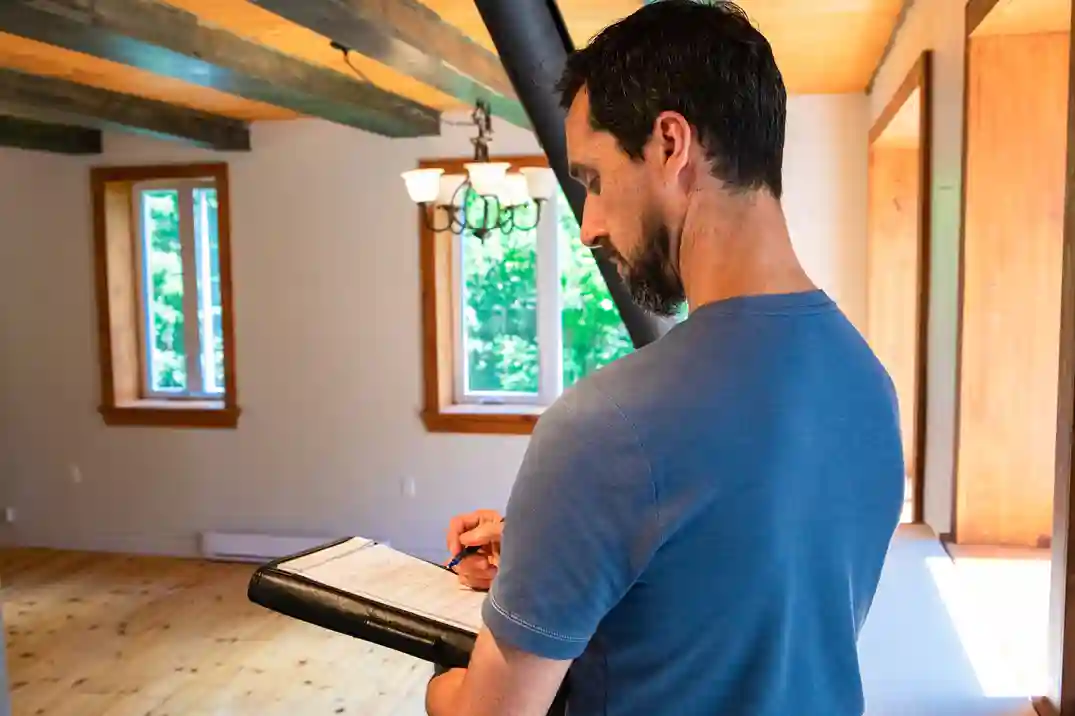
Below is a simple approach that you will find practical. Use an apartment inspection checklist (we’ll outline one) so you don’t forget anything.
Give Proper Notice
- The majority of states require a written 24-hour notice before entering.
- Does not make any vague or last-minute announcements. Tenants are likely to complain when inspections drag for hours or even days.
- State the date, time period, what you are going to inspect, and who will be inspecting.
Prepare Your Tools & Records
Before walking in, bring:
- The checklist (paper or digital checklist) of the inspection.
- You need a camera or a smartphone to take pictures.
- Voltage tester, moisture meter, (if available) flashlight.
- Pens and forms for notes.
Conduct Inspections Systematically Using A Checklist
Here’s a sample apartment inspection checklist structure:
General Condition
- Walls, ceilings, corners: Cracks, holes, peeling paint.
- Floors and baseboards: Stains, warping, loose trim.
- Doors and windows: Locks, screens, and seals.
Plumbing & Moisture
- Faucets, drains, and toilets: addressing leaks and ensuring proper use of the bathroom.
- Under sinks: water stains and mold.
- Water heater: leaks, pressure valve, and insulation.
Electrical & Safety
- Switches, electrical sockets: operational, grounded.
- Breaker panel: clean, labeled.
- Smoke and CO detectors: operational and replaced upon expiry.
HVAC & Appliances
- HVAC filters, vents, and thermostat.
- Stove, oven, dishwasher, fridge: condition and leaks.
- Exhaust fans: range hood, bathroom.
Cleanliness & Pest Issues
- Signs of mold and mildew.
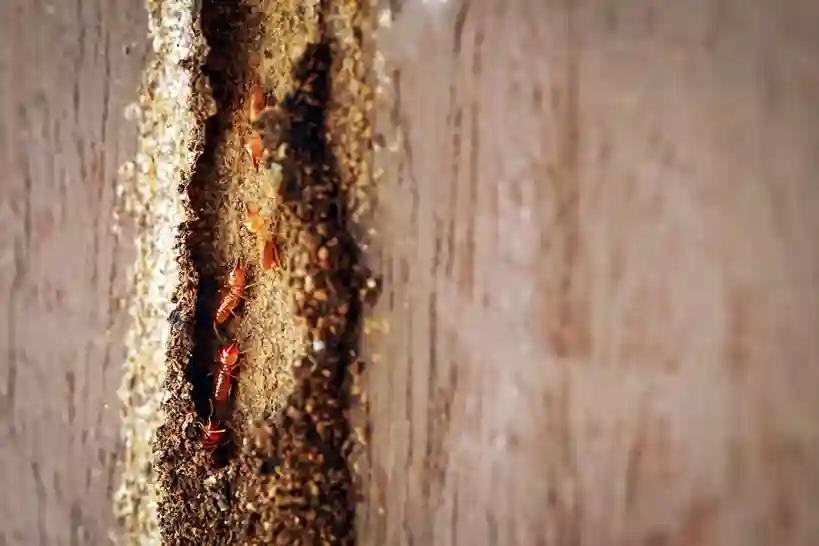
- Droppings of pests, insect infestations.
- Waste, clutter, and tidiness of tenants.
Exterior & Included Common Areas (Where Necessary)
- Balconies, railings, stairs.
- Lighting, corridors, and entrance doors.
- Roof, gutters, siding.
Moving on, take a picture of the problem and indicate its location, the problem level, and suggested solutions.
Discussion With The Tenant
In the case of tenants, take them through any issues that you discovered. Note minor corrections (e.g., changing a smoke detector battery) and involve the relevant parties as part of the process. It creates trust and eliminates surprises.
Prepare a Report & Book Repairs
Write up a quick report with the help of notes and photographs. Put down key urgent issues (e.g., water leaks, unsafe wiring) and prioritize them. Send the tenant the report and timeline to get a feel of what’s coming.
Follow Up
Once the items are repaired, verify or have your maintenance crew recheck. Document everything with date and pictures.
Real-Life Case Study: Annual Inspections of NYCHA
The New York City Housing Authority (NYCHA) conducts inspections of public housing units at least once a year to assess compliance with safety, sanitary, and living standards. Hazards checked by the inspectors include mold, improper appliance installations, and building code violations. They perform minor repairs on the spot and place orders for more extensive repairs.
The practice of NYCHA demonstrates that regular, documented inspections may be helpful to both vulnerable tenants and institutional landlords. It is a model of consistency, accountability, and transparency.
Moving Past Common Objections & Risks
“It’s too time-consuming.”
A visit to a medium-sized unit typically takes less than an hour. A good checklist and scheduling will make it even more efficient.
”My tenants will hate it.”
They will welcome and even be thankful for your initiative when you talk clearly, inform them in advance, and treat them with respect.
”What if repairs cost too much?”
Create repair reserves in your budget. Prevention is often cheaper than treating issues when they become full-blown emergencies.
”Privacy concerns.”
Be on time, stick to your agreed-upon hours, avoid snooping, and respect your tenant’s space. Document responsibly.
Final Thoughts
Apartment inspections are not nice-to-have; they’re essential. When done well, they save your investment, your tenants, and your reputation. The above steps help you organize inspections without making them a nightmare. Use a solid apartment inspection checklist, stay consistent, communicate well, and document everything. Do it, and you will save on unexpected costs, reduce safety concerns, and gain the tenant’s trust.
If you want your inspections to be efficient, thorough, and sensitive to your tenants and property, you will find Advantage Inspection Service to be the best choice. We specialize in fully documented apartment inspections that catch problems before they grow. We will assist you in securing your premises, ensuring compliance, and establishing tenant confidence. Contact us today to book an appointment for a consultation or a regular inspection plan to meet your needs.

Related Posts