
It is 4 PM in mid-July. The local news just announced that Phoenix hit 115…
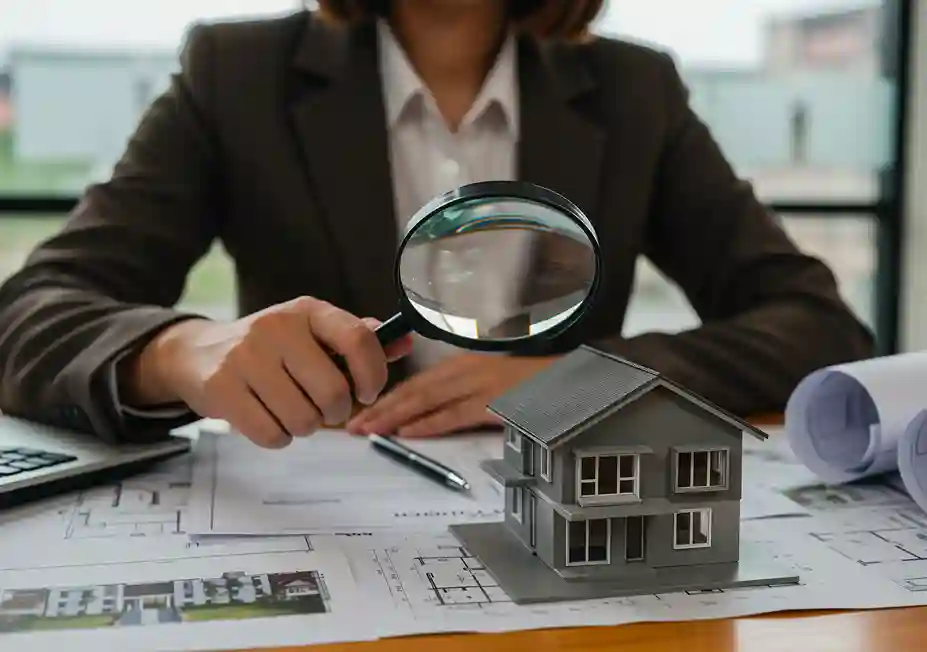
What Buyers Should Do When a Home Inspection Reveals Big Problems
A home inspection can bring surprises, and sometimes the report shows more serious issues than you expected. This does not mean the deal is over.
It simply means you need a clear plan. In this guide, we explain what buyers can do when an inspection reveals major problems, how to evaluate your options, and how to move forward with confidence.
Why Home Inspection Issues Are So Common
About 85% of the inspected homes present at least one problem. And many of these problems are surprising to the buyer. The most common ones will be:
- Malfunctioning (or old) electric wiring.
- Roof defects or leaks.
- Corroded or leaky pipes.
- There are cracks on the foundation or signs of structural stress.
- Drainage issues, moisture intrusion, or mold.
- Poor HVAC and insulation/ventilation.
These are not cosmetic problems. They have dire safety or cost implications. When you see a huge problem in your inspection, react rationally; don’t panic or run away.
Step 1: Do Not React Immediately, Pause and Process
When you see terms like “major defect,” “structural issue,” or “mold contamination,” your instinct may be to back out right away. Resist that urge.
Give yourself time to read through the full home inspection report. Note what is urgent and what can be handled later. Inspectors often recommend further evaluation by specialists, which means an issue may not be as severe as it sounds.
For example, a cracking foundation is not necessarily a sign of imminent collapse. A structural engineer might confirm it’s an easy fix. Take a breath and gather all the facts before making a decision.
Action 2: Bring in Qualified Experts
A home inspection tells you what might be wrong. Specialists tell you what it will take to fix it.
Depending on the issues, consider:
- A structural engineer for foundations, load-bearing walls, and sagging beams.
- A licensed electrician to do wiring, service panels, and check safety hazards.
- A certified plumber/HVAC expert in case of serious leaks, pipework, or failure of furnace/AC.
- Mold removal or environmental assessment in case of any obvious threat of mold or toxins.
These projections could provide you with estimates, the scope of work, and risk assessment tools that you will need to take the necessary actions.
Step 3: Run the Numbers
After getting quotes and risk assessment, do a fair cost-benefit analysis. Ask:
- What is the cost of repairing the damage?
- Will pursuing the repairs instead of selling the home put it back into a safe, normal state?
- Can you take that risk (even after repair)?
- Can you bargain firmly for obtaining seller credits, price reduction, or seller-paid fixes?
In most instances, the buyers leverage the inspection problems. In one survey, 72% of buyers reported that the consequences of inspection were significant to bargaining.
For example, when a roof is old, you may ask the seller to replace it or offer a discount equal to the cost of a new roof.
Step 4: Be Smart but Not Emotional in Negotiations
This is the sweet spot where so many deals culminate, or fail. Here’s how to negotiate:
- Major systems, safety, and structural issues are the real deal-breakers. Don’t sweat over cosmetic things.
- Quote current estimates of repairs and expert findings to support your request.
- Request seller repairs, credits, or price concessions to keep the deal alive.
- Take contingencies into account: demand a warranty or delay payment in escrow until repairs are completed.
When the seller does not agree or will not compromise, then either abandon the deal or proceed with full awareness of the risks. Don’t walk out unless you have exhausted all options for a fair compromise.
Step 5: Document Everything & Add Terms to Contract
Don’t leave anything to goodwill. Your contract should protect you:
- Get the inspection report and addenda as part of the contract.
- Indicate how the problems are going to be resolved, when, and by whom, and to what standard.
- Arrange a contingency provision on inspection that allows you to withdraw in case significant problems arise and cannot be resolved.
- Consider holding back part of the proceeds or requiring proof of repair (receipts, permits, photos).
- Re-inspect after repairs, prior to closing.
Written terms will clarify matters and provide legal protection.
Step 6: Arrive at an Intelligent Final Decision
Now you’re at the crossroads. After all that you have gone through, you are likely to face any of the following three choices:
- Request the vendor to make corrections (or adjust the value).
- Make the purchase, accept it as it is, and budget for repairs.
- Move on and find another property.
The final decision will be based on the seller’s level of cooperation, the severity of the problems, and the cost to fix the house while keeping it within your budget. To some, the cost and dangers might be too high to absorb, making walking away the wiser, better, and easier option.
Top Mistakes Buyers Make When Faced with Big Problems
- Ignoring warning signs and hoping they are just cosmetic.
- Relying on the inspection report blindly without seeking specialist support.
- The inability to negotiate or add inspection contingencies.
- Letting emotions get the better of you.
- Skipping re-inspection after repairs.
Stay data-driven, rely on experts’ evaluation, and be aware of your comfort level with risk.
Conclusion
It is stressful to find serious problems during a home inspection. However, it does not necessarily have to result in regrets. It’s just a matter of pausing, thinking, hiring a professional, estimating, and negotiating with wisdom. Document repairs in your contract, and make the best decision based on your budget and risk-taking capabilities.
Home inspection issues are your opportunity to dig deeper, not your cue to panic. They can be used to make a confident choice and an informed decision, rather than taking a blind leap.
If you’re facing home inspection issues and want clear, trustworthy guidance, contact Advantage Inspection Service. We have decades of experience and enjoy a clean reputation.
We will help you make the most of the inspection results, handle negotiations on the repairs, and take things in their own stride. Don’t enter into one of the largest investments in your life without arranging an inspection.
Call us now.

Related Posts