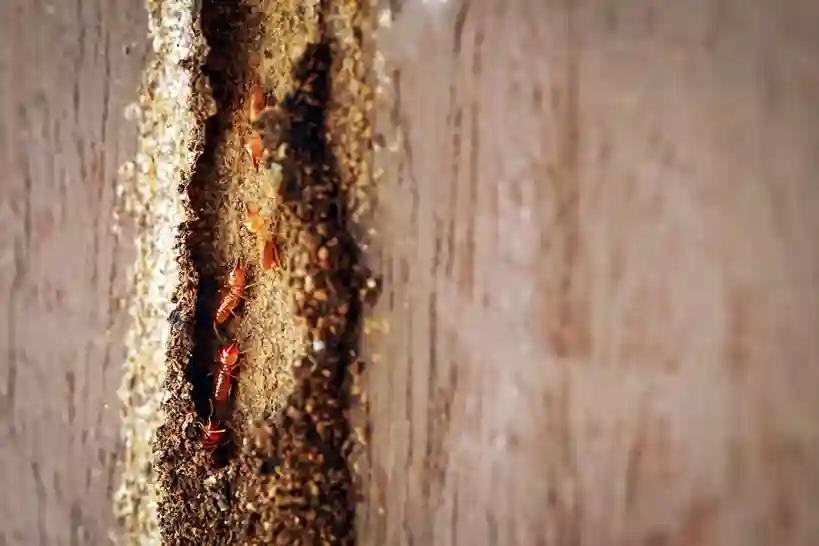
They say that in Arizona, there are two types of homes: those that have termites…

What Homeowners Should Know About Inspection Standards & Compliance in 2026
The excitement of purchasing a home can quickly turn into stress if unexpected issues like plumbing or electrical problems are discovered after the sale. Understanding the latest home inspection standards in 2026 helps you catch these problems early.
This blog will walk you through the key inspection standards and compliance requirements for 2026, giving you the knowledge you need to protect your investment and avoid costly surprises.
Why the Standards Matter
Someone purchased a house from a flipper who rushed the finishing work. The surface inspection revealed that everything was in order, but no one noted any splicing in the wiring or that the attic was not adequately ventilated.
The new homeowner found out that there were problems that cost thousands of dollars a few months later. This tale is a lesson that inspection standards do not exist in a vacuum; they exist to protect.
There are organizations, such as the International Association of Certified Home Inspectors (InterNACHI), that establish the Standards of Practice to be followed in the conduct of inspections in the U.S.
These include what is inspected (roof, structure, plumbing, electrical, insulation, etc.). They also explain the limitations, specifically what the inspector will not inspect.
In 2026, staying aware of Home Inspection Standards 2026 means you know your inspector didn’t skip major checks, and that the inspection meets an expected level of thoroughness. Not only is it nice to have, but it is smart.
What’s Changing Heading Into 2026
Inspection practices and compliance requirements are changing. We will consider some of the changes:
- Certain states are restricting who can conduct inspections, the structure of the report, and the scope of liability. The state of Iowa proposed a bill requiring inspectors to act with the same care that a reasonably prudent home inspector would employ and to maintain errors and omissions insurance.
- Updates to Standards of Practice are important. The American Society of Home Inspectors (ASHI) revised its requirements, no longer requiring inspectors to service voltage or report on minor cosmetic issues.
- On the compliance side, although the debate has primarily centered on federally assisted housing (through U.S. Department of Housing and Urban Development (HUD) standards, such as NSPIRE), these changes indicate a tendency towards increased transparency, documentation, and accountability in home inspections as well.
- That would require, as a homeowner in 2026, when you hire someone to inspect your house, that they produce a report linked to an accepted standard, clear about what was or was not inspected, and by that, someone who is compliant with state and national guidelines.
What “Home Inspection Compliance” Really Involves
Using the term “home inspection compliance” simply means your inspection meets the required and expected standards. Here’s what to look for:
- Scope is clear: The inspector’s agreement or contract must specify which systems it covers (e.g., plumbing, electrical, structure) and any limitations (e.g., attics not entered, hazards not tested).
- Standards named: A reputable inspector will refer to the standard of practice to which a person complies (i.e., InterNACHI or ASHI). For example, there are 12 types of inspections, and some are not covered by InterNACHI’s Standards of Practice.
- Format of the report: The report must be readable and include photos, descriptions of defects, and notes where access was not possible.
- Licensing and credentials: Although not always mandatory, the state in which the inspector is licensed, membership in a professional association, and evidence of continuing education are used to indicate that the inspector takes their job seriously.
- Insurance and ethical protection: Under current laws, inspectors’ work may require liability insurance and adherence to ethical standards. That’s part of compliance.
- Follow up where necessary: If a worrying fact is noted during the inspection, consider additional tests (e.g., structural engineer, electricians, etc.).
For Homeowners: What you Should Ask
In 2026, before contracting an inspector, inquire:
- What standard of practice would you adhere to? (InterNACHI, ASHI, state standard) etc.
- A sample report of one of the latest inspections you have carried out?
- What’s included and excluded is mentioned in the contract/listing?
- Licensed (where necessary by state law)? Insured?
- Are you required to be present during the inspection, and will the inspector walk you through the inspection findings?
- What has been the length of time that your company has been conducting inspections, and how many homes have you inspected?
These are some of the questions you ask to ensure you are not receiving a mere walkthrough inspection.
Why it Pays Off
Spending a few more dollars to have a proper standards-based inspection will save you a few thousand dollars down the line. Discovering a defect after closing results in reduced negotiation power, unexpected repair costs, and even a reduced resale value.
Conclusion
As a homeowner planning to buy, upgrade, or sell a home in 2026, understanding inspection standards and compliance can bring you clarity and control.
The first thing to consider when hiring an inspector is to inquire about their standard of practice, have a clear scope, and request a comprehensive report that you can read and understand. A thorough inspection will earn you the trust of investing in one of your biggest investments.
Advantage Inspection Service has a team of well-informed inspectors who provide clear reports. Whether you are buying, selling, or simply maintaining your property, we will guide you through the process and offer a comprehensive inspection in accordance with current standards and compliance requirements. You can no longer afford to leave your home investment decisions to chance.
Contact us now to schedule your home inspection.

Related Posts