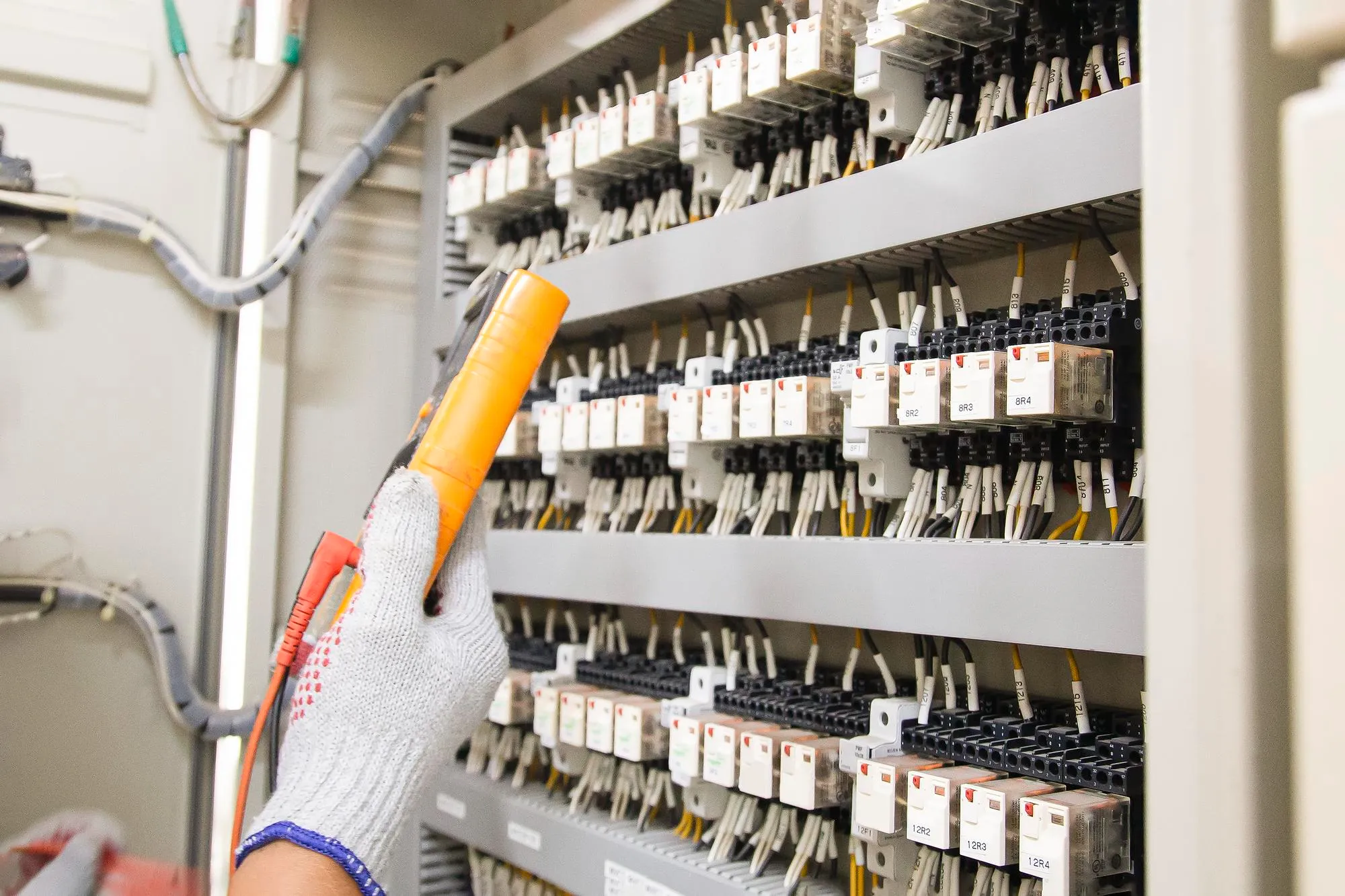
Most Arizona Homebuyers don't give much thought to the electrical panel until something goes wrong…

Radon 101: Everything You Need to Know About Radon and Radon Testing
When people think about home safety, they often picture locks on doors or smoke detectors on ceilings. What many don’t realize is that one of the biggest risks may already be inside the house, completely unnoticed. Radon is a naturally occurring radioactive gas that seeps up from the ground.
You can’t see it, smell it, or taste it, but long-term exposure is a leading cause of lung cancer in non-smokers.
That’s why radon testing is so important. It’s the only way to know if your home has elevated levels and, more importantly, what to do about it.
In this blog, we’ll explain radon, how testing works, and why every homeowner should take it seriously.
What Is Radon and Why Is Its Testing Important
Radon is created naturally by the decomposition of uranium, thorium, and radium in the ground. It may enter the house through foundation cracks, basements, or crevices in the floors. When it gets inside, it gathers in your home, particularly in areas that have low ventilation, such as basements or crawl spaces.
Radon is the second-biggest cause of lung cancer in the U.S, right after smoking. Among non-smokers, it is the main cause of lung cancer. It leads to the death of about 21,000 people annually. Amazingly, around 75% of Americans have never had their house tested.
So, What Is Radon Testing
It is the process of gauging the quantity of radon in a given space, in this case, your home. You collect air samples using easy-to-use kits or instruments and send them to laboratories, or you can use electronic monitors that provide immediate and accurate readings.
Here’s how it usually unfolds:
- Short-term tests: 2 to 90 days. Quick and simple.
- Long-term tests: They are conducted over several months. Better and more accurate.
- Digital monitors: Provide real-time readings and fast insights.
The EPA calculates that when radon levels exceed 4 picocuries per liter (pCi/L), mitigation action should be taken. Levels between 2pCi/L and 4pCi/L also demand some corrective measures.
The Importance of Radon Testing
Here’s why putting radon testing into action matters:
- Testing is inexpensive, easy, and readily accessible. Kits are marketed either through hardware shops or on the internet.
- One in every 15 homes in the United States is at risk of high radon levels; certain towns in Michigan report that one in four homes are affected.
- During National Radon Action Month, free radon test kits are distributed in some areas.
- Regular tests are important, as slight foundation movement can alter radon levels over time.
The Real-World Impact
Illinois can serve as an example; Scott County has reported an average radon level of 7.5 pCi/L, which far exceeds the level that is considered safe, making testing inevitable.
Or consider Midland County in Michigan, which has been giving away kits throughout January, which is Radon Action Month. Kit by kit, awareness is spreading.
Although a new house appears to be self-contained, modern airtight construction can still trap more radon. A study in North America confirmed that newer houses tend to have higher radon levels.
How to Test Smart: Step-by-Step Guide
Thinking about radon testing? Here’s a step-by-step practical guide:
- Choose a short-term test kit for a quick check or a long-term test for higher accuracy.
- Install the device in the lowest livable level of your house. Close windows and doors during testing.
- Read the monitor or send the kit off. Above 4 pCi/L level, retest for confirmation.
- When the reading is still high even after the second test, it’s time to install a radon mitigation system.
- Mitigation most often consists of closing cracks, increasing ventilation, and placing a sub-slab depressurization fan.
- Trust and verify: Retest in 2 years, or after any major remodeling.
Key Radon Facts – Quick Summary
- What is radon testing? It is a method for testing your house for radon gas.
- Why it matters: Radon is a serious matter, and it exists in places you would least suspect.
- Testing procedures: They include short-term, long-term, and digital tests.
- Safety limits: More than 4 pCi/L- time to act. Between 2-4 pCi/L- retest and exercise caution.
- Actual statistics: 1 in 15 homes in the USA have radon problems. In a few places, the number is even higher.
- New houses are not safe; in fact, they end up accumulating more radon.
Final Thoughts
Understanding what is radon testing and conducting it can literally save a life. Testing is affordable, readily available, and provides potentially helpful information.
Before you finalize your next home purchase, or if you’re looking to protect your current living space, make radon testing part of your home’s health check.
Advantage Inspection Service provides expert radon testing solutions, including a fast turnaround and clear guidance on next steps if elevated levels are detected.
When you have trusted inspectors who speak matter-of-factly and explain everything about the results, you are in safe hands.
Test your home’s radon levels today with Advantage Inspection Service. Awareness is the first step in providing safety and protection to those you love.

Related Posts