They say that in Arizona, there are two types of homes: those that have termites…
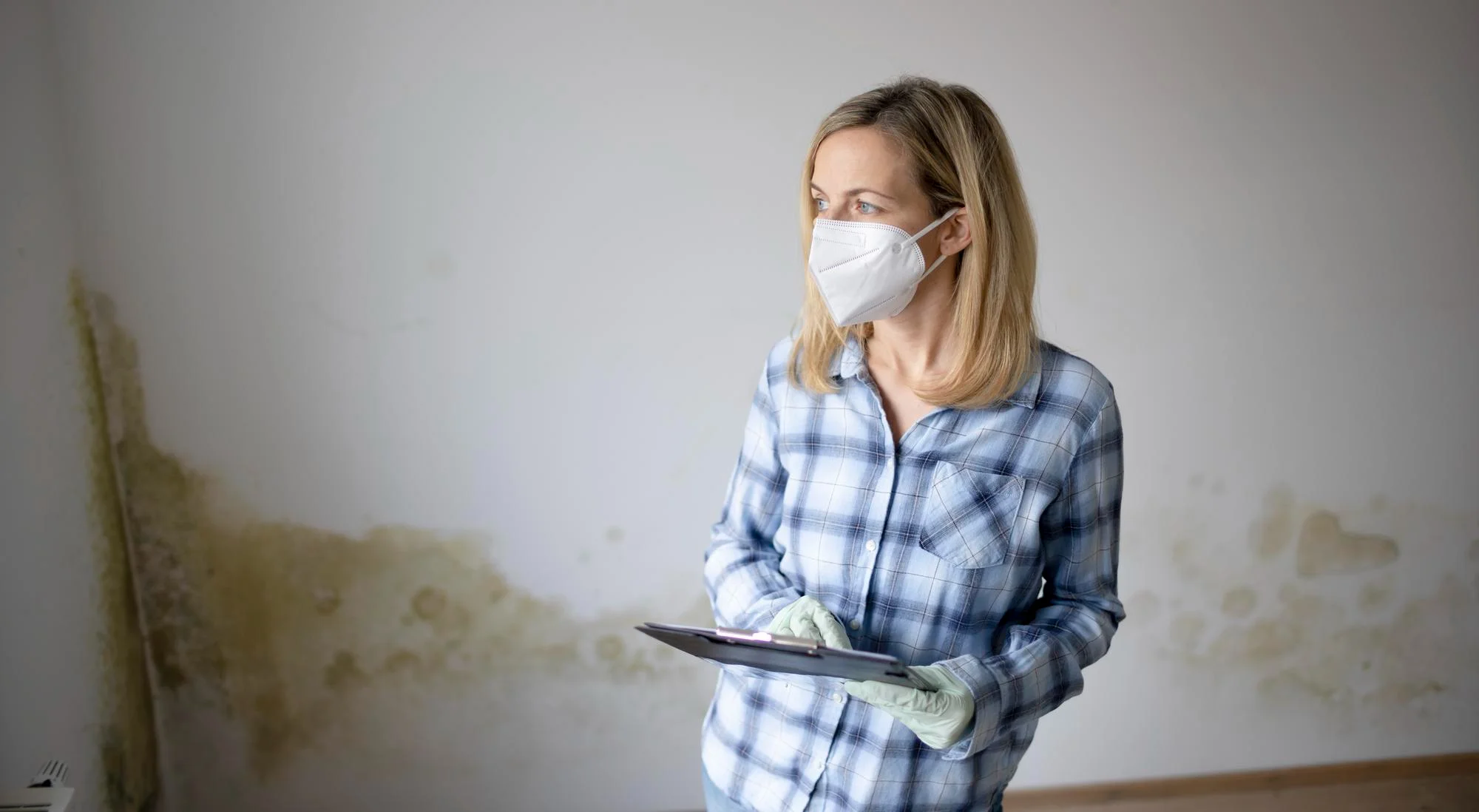
Post-Flood Mold Inspections: How Damage Can Spread Undetected
Mold doesn’t wait around after a flood. It starts growing within 24 to 48 hours, often before anything looks wrong on the surface.
Yes, the water might be gone in a few hours, but the moisture it leaves behind seeps into walls, floors, and hidden spaces. By the time a stain or musty smell shows up, the damage has usually been there for a while.
If you’re dealing with a leak or recent flooding, what you can see is only part of the story. It’s what’s happening behind the surfaces that matters. Let’s take a closer look at how this damage spreads and why it often goes unnoticed.
Why Post-Flood Mold Inspections are Non-Negotiable
Water is sneaky. It does not just sit on the floor.
It wicks up through drywall like a sponge. It seeps under baseboards and settles into the insulation.
This is why post-flood mold inspections are so critical. A house can look perfectly dry on the surface while the building’s skeleton is literally rotting away.
The Lesson Learned from Hurricane Ian Survivors
In 2022, families in Florida faced a massive surge in respiratory issues weeks after the floodwaters from Hurricane Ian had receded. Many residents cleaned their homes and thought they were safe.
They did not realize that moisture was trapped behind their baseboards and inside kitchen cabinets. This led to an explosion of toxic growth that required massive gut renovations.
How Damage Spreads Without You Noticing
Understand this thing about flood-related mold problems. Mold produces microscopic spores that travel through your HVAC system.
Once the spores are in the air ducts, they land in every room of the house. They just wait for a little bit of humidity to start a new colony.
Even rooms that were never touched by the floodwater can end up with a major infestation. This secondary growth is often more dangerous because you do not even expect it to be there.
The Problem With the DIY “Sniff Test”
Many people think they can just smell mold if it is a problem. This is a dangerous assumption.
Some of the most toxic types of mold do not have a strong odor in the early stages. Also, if you have been living in the house, you might experience “nose blindness.”
You become used to the scent of your own home. You might miss the subtle musty smell that an outsider would notice immediately.
Why Humidity Is Your Biggest Enemy After a Flood
Even after the standing water is gone, the air remains thick with moisture. This high humidity is a feast for mold spores.
If your home stays above 60% humidity, mold will grow on your clothes, your furniture, and even your books. It does not need a direct soak to thrive.
This is where it gets tricky for homeowners. They focus on the basement but forget about the attic or the closets.
Identifying Flood-Related Mold Problems Early
You need to look for the subtle signs of a moisture issue. This includes things like:
- Paint that feels slightly bubbled or soft to the touch.
- Baseboards that are pulling away from the wall.
- A persistent cough or watery eyes that get better when you leave the house.
- Discoloration on the ceiling or near electrical outlets.
Post-flood mold inspections will help you notice any of these. It confirms the problem has likely been growing for a while.
What Happens During a Professional Inspection
A pro does not just walk around with a flashlight. They use tools like moisture meters and infrared cameras. These tools can “see” through your walls. They identify cold spots where moisture is trapped behind the drywall.
This allows them to pinpoint the exact areas that need to be opened up and dried. It prevents you from tearing down walls that are actually fine.
Protecting Your Property Value and Your Health
A home with a history of mold is very hard to sell. If you do not handle the cleanup properly now, it will haunt you later during the home sale process.
Buyers will see the water stains and run the other way. Taking care of post-flood mold inspections now protects your biggest financial investment.
More importantly, it keeps your family safe. Breathing in spores for months can lead to chronic respiratory issues that never truly go away.
Ensuring Your Home Is Safe and Dry
Recovering from a flood is an exhausting process. It is tempting to just paint over the stains and move on with your life.
But taking a shortcut now will only lead to more expensive repairs next year. You deserve a home that is healthy and structurally sound.
Get the data you need to make the right choices for your property. A little bit of extra effort today ensures a safe living space for the future.
What You Can’t See Can Still Cause Damage
Water damage doesn’t always show itself right away, and waiting for visible signs can make things worse.
A proper inspection helps you understand what’s actually happening beneath the surface. You get a clearer picture of where moisture may still be present and whether mold has started to develop.
Advantage Inspection Service focuses on identifying hidden issues so you’re not left guessing. If you’ve dealt with flooding or a leak, it’s worth getting a closer look before small problems turn into bigger ones. Contact our team today!

Related Posts